Skip to content
Hostripples

Website SecuritySSL Certificates

SSL Certificates from Hostripples and partners - reliable infrastructure, free SSL, 24x7 expert support and transparent pricing. Get started in minutes.

SSL Certificates

Encrypt your site and earn visitor trust with a certificate from a globally-recognized CA, every plan below is live-priced and ready to order.

Hostripples resells SSL/TLS certificates from six major Certificate Authorities — Sectigo, DigiCert, GeoTrust, Thawte, RapidSSL and GoGetSSL — covering Domain Validation (DV), Organization Validation (OV) and Extended Validation (EV) certificates for a single domain, wildcard subdomains, or multiple domains on one certificate. Every certificate uses 256-bit encryption and is trusted by all major browsers, so however you land here — comparing your first SSL certificate India options for a new site, or replacing one that's about to lapse — the padlock behaves identically regardless of which CA issued it. What actually differs between brands is price, the warranty attached to the certificate, and how fast the CA's validation team turns around OV or EV paperwork. If you're mainly after cheap SSL India pricing on a DV certificate for a blog or portfolio, RapidSSL and GoGetSSL tend to sit at the lower end; if your site takes payments or logins, the OV and EV tiers below from Sectigo, DigiCert, GeoTrust or Thawte are worth the extra verification step.

Popular
Sectigo

Sectigo PositiveSSL

DV · Domain ValidationSingle

The most affordable way to secure one domain with a trusted padlock and HTTPS, issued in minutes.

Contact Us
Popular
Sectigo

Sectigo PositiveSSL Wildcard

DV · Domain ValidationWildcard

One certificate secures a domain and unlimited subdomains -- ideal for blogs, staging and client sites under one root domain.

Contact Us
Sectigo

Sectigo Essential SSL

DV · Domain ValidationSingle

A budget domain-validated certificate for personal sites, blogs and small business landing pages.

Contact Us
Sectigo

Sectigo Essential Wildcard SSL

DV · Domain ValidationWildcard

Wildcard coverage on Sectigo's entry-level line -- unlimited subdomains at a lower price point than PositiveSSL Wildcard.

Contact Us
Sectigo

Sectigo InstantSSL

OV · Organization ValidationSingle

Organization-validated certificate that displays your registered company name in the certificate details.

Contact Us
Sectigo

Sectigo InstantSSL Premium

OV · Organization ValidationSingle

A step up from InstantSSL with a stronger warranty and priority validation for growing businesses.

Contact Us
Sectigo

Sectigo InstantSSL Pro

OV · Organization ValidationSingle

Organization-validated SSL with Sectigo's highest InstantSSL-line warranty for e-commerce and SaaS sites.

Contact Us
Sectigo

Sectigo InstantSSL Premium Wildcard

OV · Organization ValidationWildcard

Organization-validated wildcard coverage -- secure a verified business domain plus every subdomain.

Contact Us
Popular
Sectigo

Sectigo EV SSL

EV · Extended ValidationSingle

Extended Validation certificate backed by Sectigo's full legal-entity verification -- the highest trust level for checkout and login pages.

Contact Us
Sectigo

Sectigo Multi-Domain SSL

OV · Organization ValidationMulti-Domain

Secure up to 100 different domains and subdomains on one organization-validated certificate.

Contact Us
Sectigo

Sectigo Multi-Domain EV SSL

EV · Extended ValidationMulti-Domain

Extended Validation trust across multiple domains -- one EV certificate for an entire brand's web properties.

Contact Us
Sectigo

Sectigo Multi-Domain Wildcard SSL

OV · Organization ValidationMulti-Domain Wildcard

Combine wildcard subdomain coverage with multiple base domains on a single organization-validated certificate.

Contact Us

Not sure which certificate to choose? Here's a rough way to think about it. If you're running a personal site, a portfolio, or a brochure site for a local business with no login or payment form, a DV certificate is genuinely enough — it shows the padlock and encrypts traffic in a few minutes, and nobody visiting the site will know or care which validation tier you picked. If you run an online store, accept UPI or card payments, or ask visitors to log in with a password, step up to OV — the certificate then carries your verified business name in its details, which matters if a customer or your payment gateway ever checks. If you're a bank, an NBFC, an insurer, or anyone handling especially sensitive financial data, EV is worth the extra day or two of paperwork, because some browsers and security-conscious users still look for that stronger legal-entity check. Choose Wildcard if you run one domain with several subdomains you actively use — a blog, a shop, a support portal, a staging environment — and don't want to buy and renew a separate certificate for each one. Choose Multi-Domain (SAN) instead if you or your company run several unrelated domains, say a .com and a .in version of the same brand, and would rather manage one certificate and one renewal date than juggle several. And if you genuinely don't know yet, start with DV — nothing stops you upgrading to OV or EV later once the site's traffic or transaction volume justifies it.

SSL Certificate FAQs

What is the difference between DV, OV and EV SSL certificates?+

A Domain Validation (DV) certificate only confirms you control the domain and issues in minutes. Organization Validation (OV) additionally verifies your registered business and typically takes 1-3 days. Extended Validation (EV) performs the most rigorous legal-entity verification and is recommended for sites handling payments or sensitive logins.

What is a Wildcard SSL certificate?+

A Wildcard certificate secures a domain and every one of its first-level subdomains (e.g. mail.example.com, shop.example.com) with a single certificate, instead of buying a separate certificate for each subdomain.

Can one certificate cover multiple different domains?+

Yes. A Multi-Domain (SAN/UCC) certificate can secure several separate domain names, for example example.com, example.in and example.co.uk, on a single certificate with one renewal date.

How quickly is an SSL certificate issued?+

Domain Validation certificates are typically issued within minutes of completing domain verification. Organization and Extended Validation certificates require business verification and usually take 1-5 business days.

Do these SSL certificates work with any hosting provider?+

Yes. Every certificate sold here is a standard SSL/TLS certificate that can be installed on any hosting platform, including servers outside Hostripples, not only on Hostripples hosting.

Does a Wildcard certificate also cover sub-subdomains, like shop.blog.example.com?+

No — a standard Wildcard certificate (*.example.com) covers only one level of subdomain, so mail.example.com and shop.example.com are covered but blog.shop.example.com is not. If you need that second level covered too, you'd need a separate certificate for it or ask us about a multi-level wildcard option from the CA.

How many domains can I put on a single Multi-Domain (SAN) certificate?+

It depends on the certificate and CA, but most SAN/UCC certificates from Sectigo, DigiCert and GoGetSSL start with a handful of domains included and let you add more as SAN slots for an extra cost per domain — useful if you're running three or four regional or brand-variant domains and don't want three or four separate renewal dates to track.

Can I combine Wildcard coverage and multiple domains in one certificate?+

Yes — Multi-Domain Wildcard certificates exist and let you secure *.example.com and *.example.in (or however many domains you need) on a single certificate. They cost more than a plain SAN certificate but are worth it if each of your domains also has multiple subdomains you need covered.

What information do I need ready before buying an OV or EV certificate?+

For OV you'll typically need your registered business name, address and a working phone number the CA can verify against public registries or by callback. EV asks for the same plus proof you're an authorised representative of the company — things like a certificate of incorporation or GST registration help speed that step up for an Indian business.

Does the certificate brand — Sectigo, DigiCert, GeoTrust and so on — affect how secure the certificate actually is?+

Not meaningfully for day-to-day security — all six CAs we resell are trusted by every major browser and use the same 256-bit encryption standard. The real differences are price, warranty amount, brand recognition, and how quickly each CA's validation team processes OV/EV paperwork, not the strength of the encryption itself.

Can I switch certificate types later, say from DV to OV, without losing my site's SSL setup?+

Yes. You buy the new certificate, complete whatever validation it requires, and install it in place of the old one — there's no lock-in tying you to your original validation tier, and the switch doesn't require touching your DNS or hosting setup beyond reinstalling the certificate file.

Do I need a separate certificate for each client if I manage hosting for multiple businesses?+

Generally yes — one certificate per domain owner, since OV and EV validation is tied to a specific verified organisation. If you're a reseller or agency, a Multi-Domain certificate can bundle several of your own domains, but certificates for client-owned domains are usually bought and validated separately under each client's business details.

Will installing one of these certificates work with Indian payment gateways like Razorpay or PayU?+

Yes — any standards-compliant SSL/TLS certificate, DV or above, satisfies the basic HTTPS requirement that Razorpay, PayU, CCAvenue and similar Indian payment gateways expect from a merchant site. If you're taking cards directly rather than redirecting to a gateway, your payment processor may separately require PCI-DSS compliance, which is a broader security process SSL is only one part of.

Who needs an SSL certificate?

Every website that collects any information or wants visitor trust needs SSL.

Any website that asks a visitor to hand over information — a name, a password, a card number — earns more trust once that padlock is visible; here's where SSL tends to matter most in practice, not just in principle.

Business and brochure sites

Show the padlock and “https” that visitors now expect, even on a simple brochure site with no forms. Chrome and other browsers mark plain-HTTP pages as “Not Secure” right in the address bar, which is often the first thing an Indian visitor comparing three vendor websites side by side will notice.

Online stores

Encrypt customer details and payments at checkout, which matters even when you're redirecting to Razorpay, PayU or a similar gateway rather than handling card numbers directly yourself. Indian shoppers who've grown used to UPI and card payments increasingly check for the padlock before entering any personal detail, and its absence is a common reason carts get abandoned.

Login and form pages

Protect passwords and personal data in transit, so a login form, a contact form or a booking form isn't sending what someone types across the internet in plain text. Without SSL, that data can potentially be intercepted on public Wi-Fi or a shared network, a real risk for a customer filling out your form from a café or co-working space.

Any site wanting better SEO

Search engines favour secure, HTTPS websites, and Google has used HTTPS as a ranking signal for years now. Beyond the direct SEO benefit, a site still running plain HTTP risks that “Not Secure” warning in Chrome, which quietly pushes visitors — and potential customers — toward a competitor's site instead.

Why get your SSL from Hostripples

From free certificates to premium validation, secured in minutes.
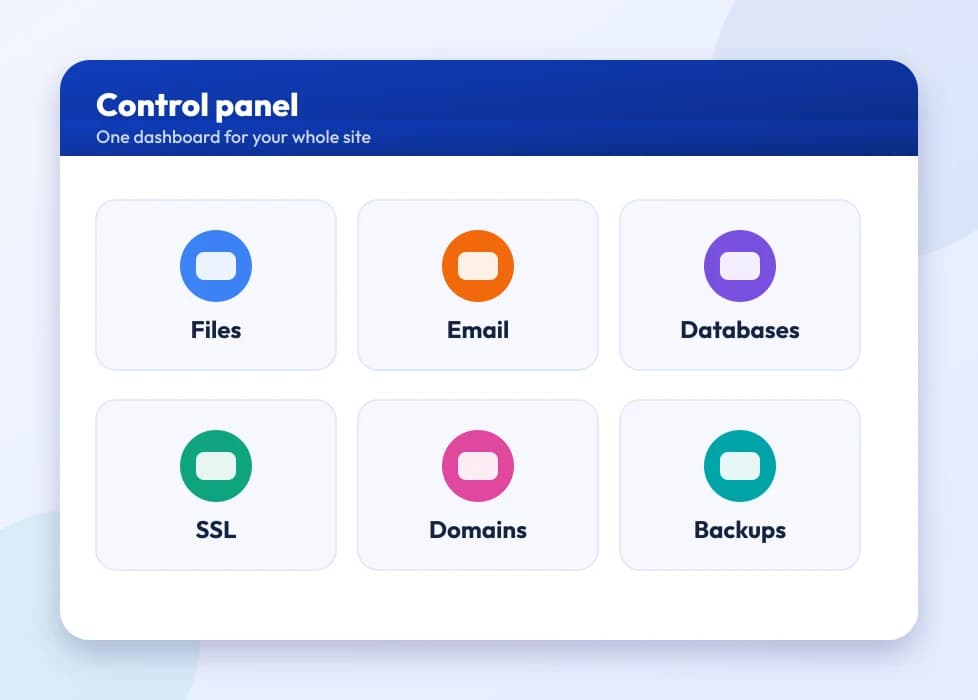
A control panel dashboard with tiles for the main tools

Premium certificates too

Upgrade to higher-assurance certificates when your business needs them — start with a free DV certificate on any hosting plan, then move to OV or EV as your site starts taking payments or handling logins. We keep all six CA brands in one place so comparing and upgrading later doesn't mean starting the buying process over from scratch.

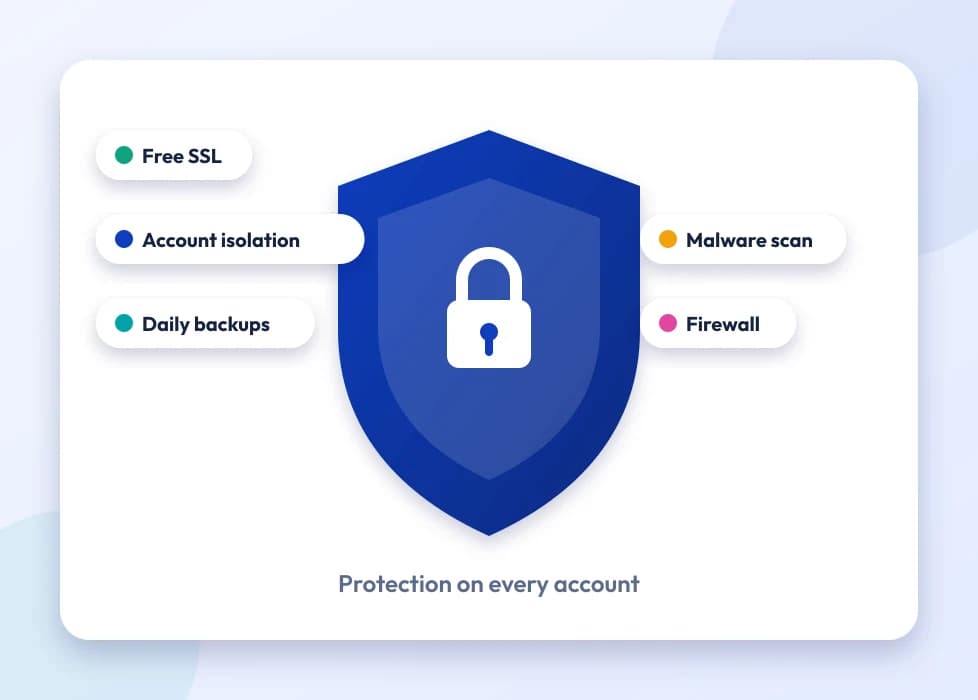
A shield with SSL, isolation, backups and malware protection

Encrypts data in transit

Protects logins, forms and payments between your visitors and your site, so anything typed into a form travels encrypted rather than as plain, readable text. This is the one job every SSL certificate does regardless of brand or validation tier — the differences between DV, OV and EV are about identity verification, not encryption strength.

A page-load speed comparison between storage types

Shows the padlock

The padlock and HTTPS reassure visitors your site is genuine and secure, which matters more than ever now that Chrome flags any plain-HTTP page as “Not Secure” in the address bar. For an Indian business competing for trust against bigger, better-known brands, that small visual cue can be the difference between a visitor staying on the page or bouncing straight back to search results.

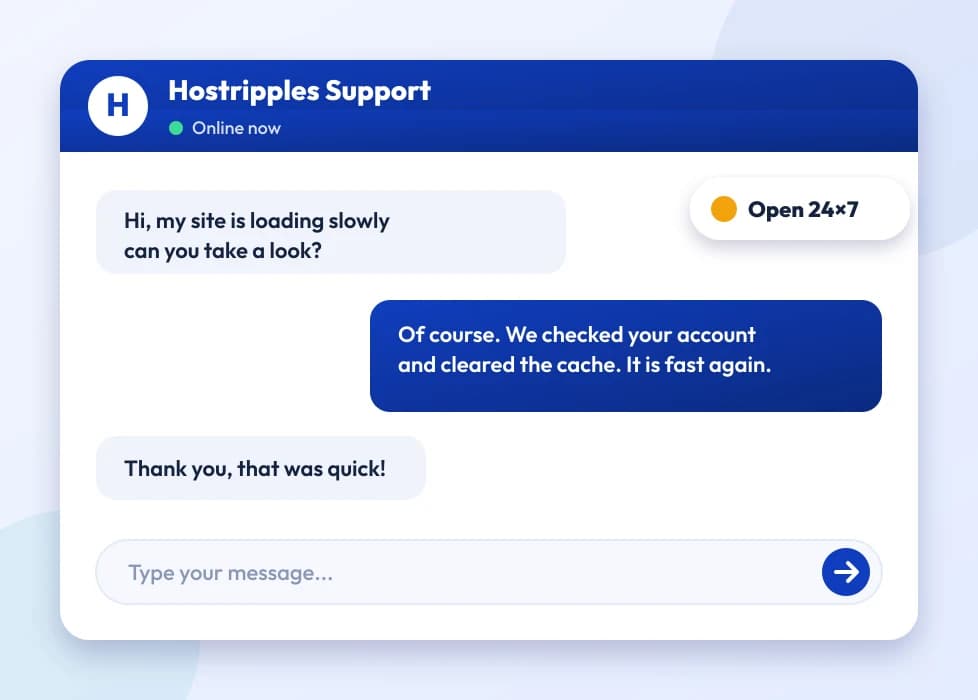
A support chat with an expert answering a question

24×7 support

Help choosing and installing the right certificate, whenever you need it — our support team can talk you through DV versus OV versus EV, generate your CSR, and get the certificate actually installed and showing green, not just sold to you. If something goes wrong with validation or installation, there's a real person to ask, not just a ticket queue.

Whichever certificate you land on, we're here to help you install it correctly and keep it renewed — so the padlock stays green and your visitors never see a warning.

Got Questions?

Frequently Asked Questions

Everything you need to know

An SSL certificate encrypts the connection between your website and its visitors — you see it as the padlock and “https” in the address bar — protecting things like login details and payment information as they travel between the visitor's browser and your server, and giving visitors a basic signal that your site is who it claims to be.

Still have questions?

Our support team is live 24/7 in English, Hindi & Marathi.

Chat with an Expert